NOAA’s Climate Prediction Center says El Niño continues to strengthen. In its October 8, 2026 update, it called a strong to very strong El Niño likely through January–March 2027, with a real chance of the strongest event since 1950. El Niño tilts the odds toward a wetter California winter, with more frequent storms, especially in Southern California.
A strong El Niño is not a guarantee of heavy rain. The 2015–2016 event brought less rain than many expected. But preparing your roof and siding now costs far less than repairing water damage in January. Here is the checklist we use when we look at a home before storm season.
Why the Roof and Siding Matter Most
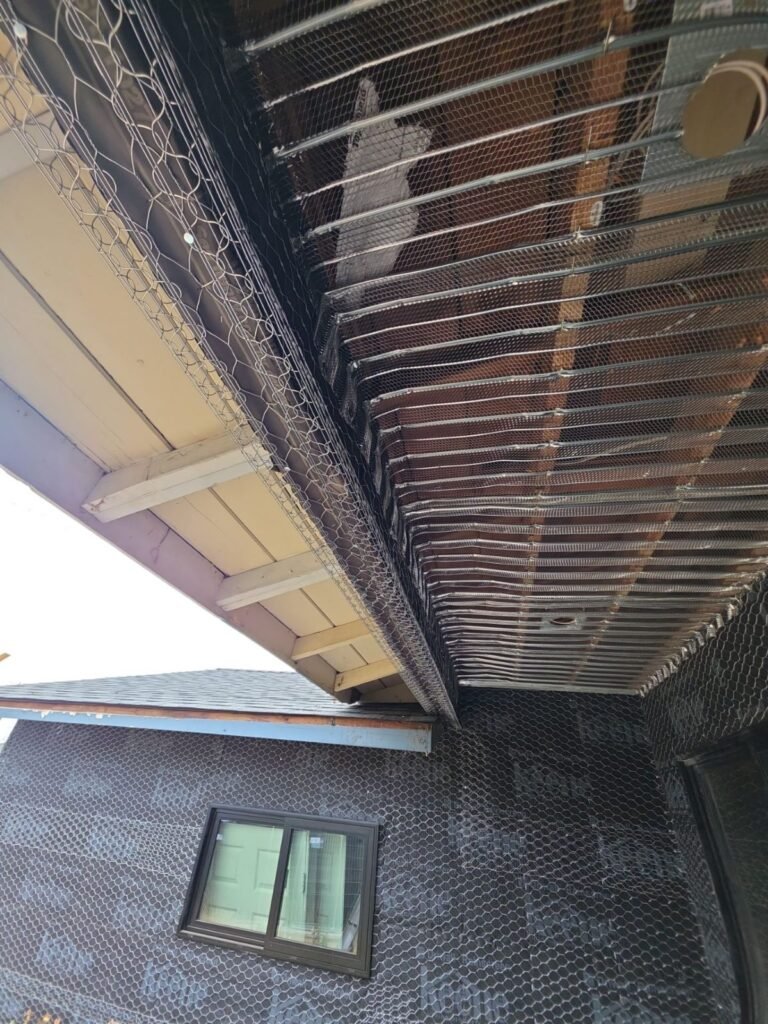
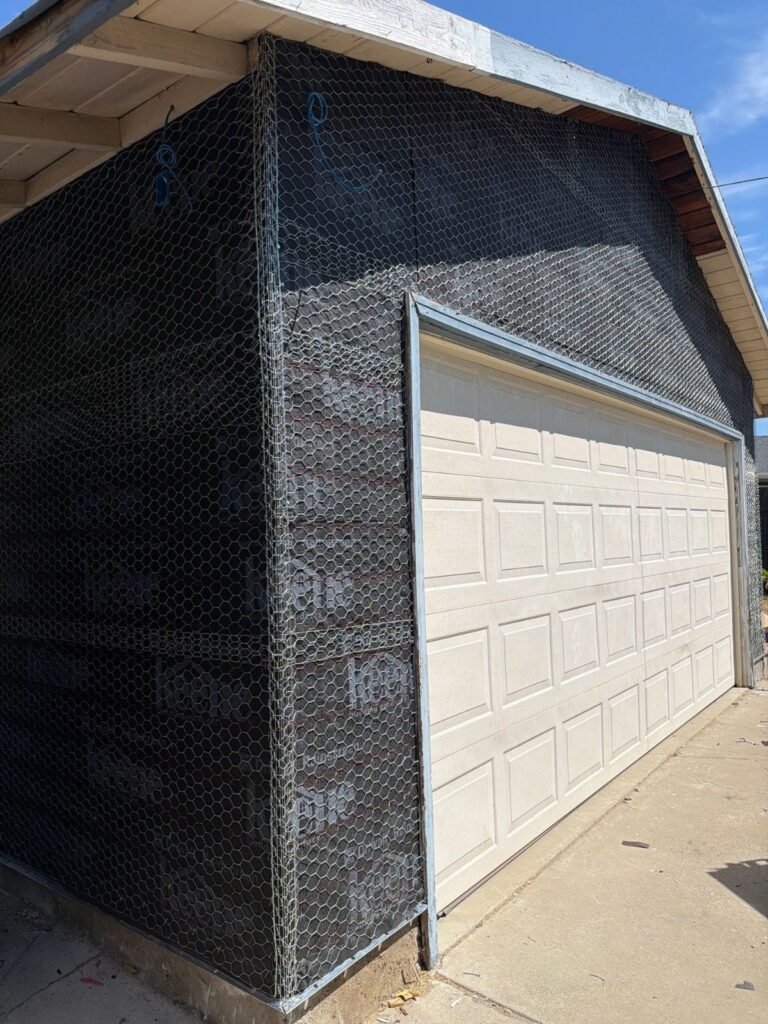
Most winter water damage starts in a few predictable places: the roof, the flashing where the roof meets walls and openings, and the siding around windows, doors and trim. Water that gets past these layers soaks into sheathing and framing, where it causes dry rot and mold long before you see a stain inside.
Roof Checklist Before El Niño
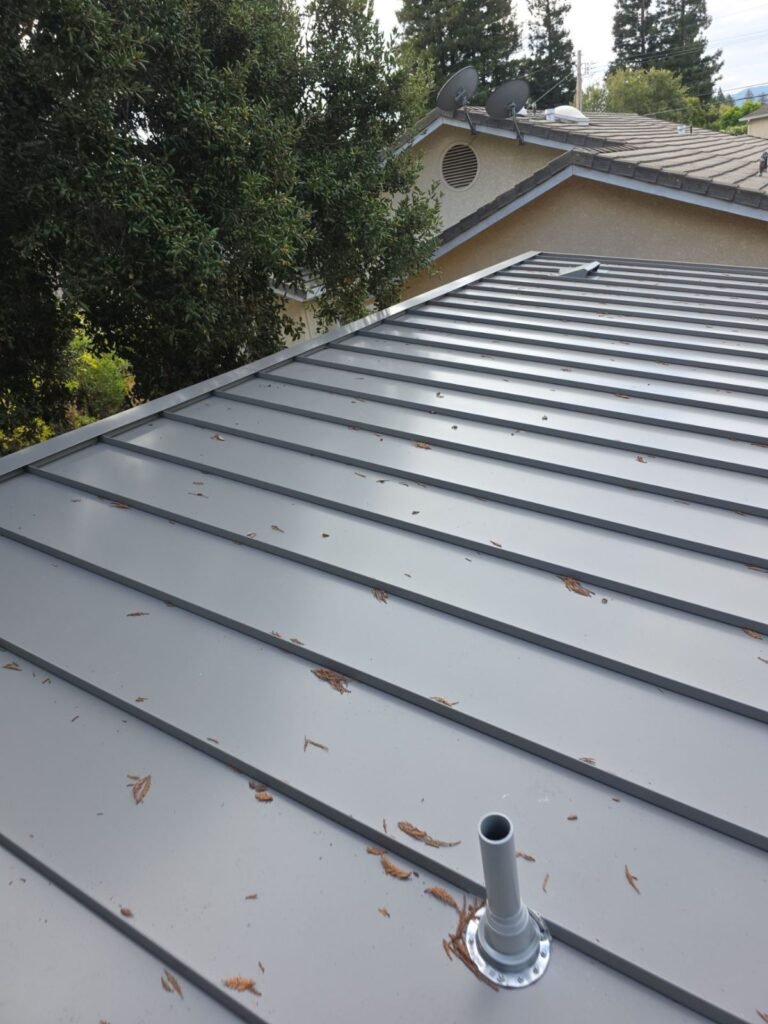
- Shingles and tiles: look for missing, cracked, curling or lifted shingles, and heavy granule loss in the gutters. On tile roofs, look for cracked or slipped tiles. The underlayment beneath them does the real waterproofing.
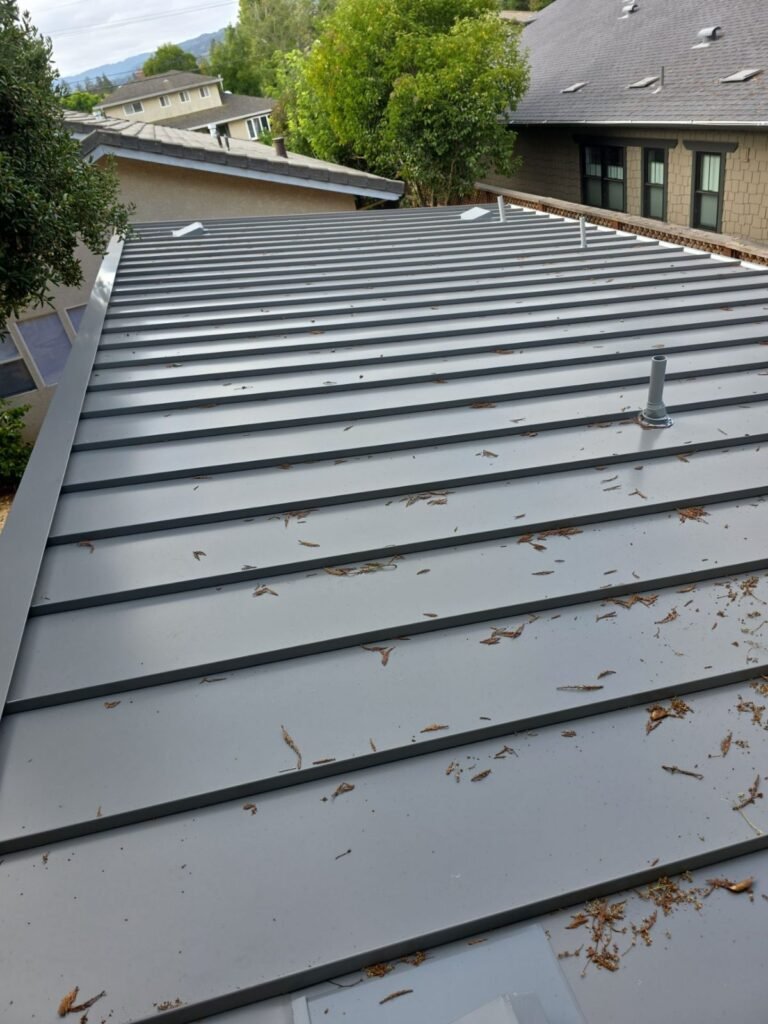
- Flashing: check the metal flashing around chimneys, skylights, vents and in roof valleys for gaps, rust or failed sealant. Flashing is the most common source of roof leaks.
- Pipe boots: the rubber collars around plumbing vents crack in the sun. A cracked boot lets water straight into the attic.
- Gutters and downspouts: clear leaves and debris, make sure the gutters are secure and sloped, and send downspouts several feet away from the foundation.
- Trees: trim branches that hang over the roof. They drop debris, scrape shingles and can fall in high winds.
- Flat and low-slope roofs: clear drains and scuppers, and look for ponding, blisters and open seams.
- Attic: on a sunny day, look for daylight through the roof deck, water stains on the rafters and damp insulation.
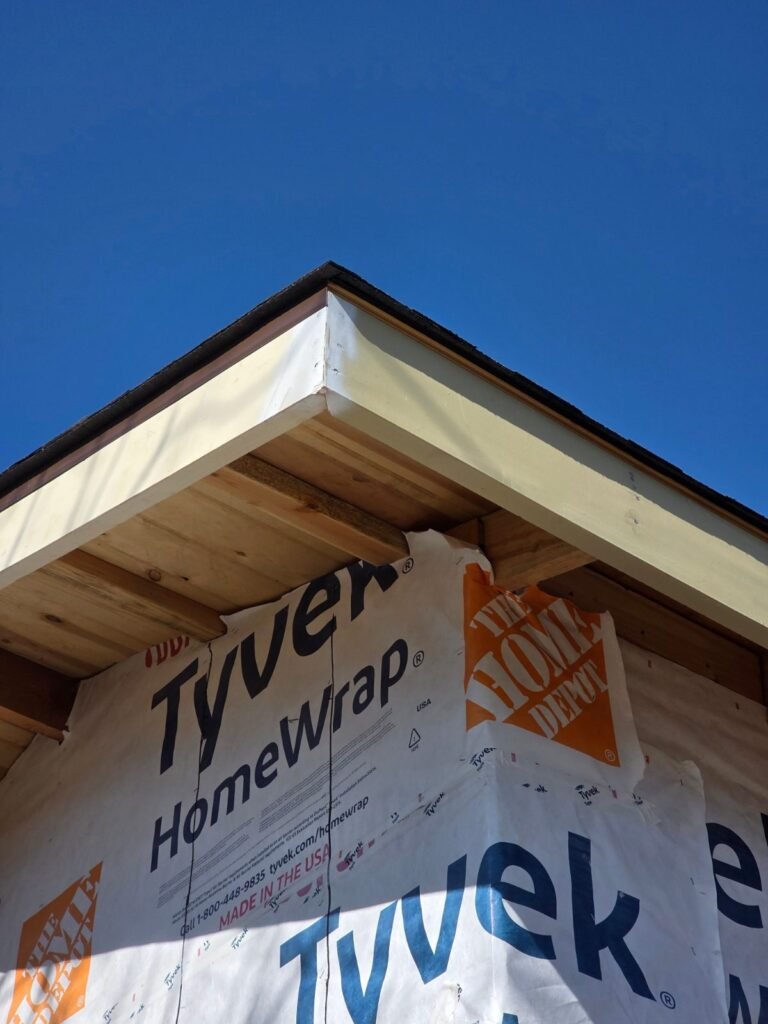
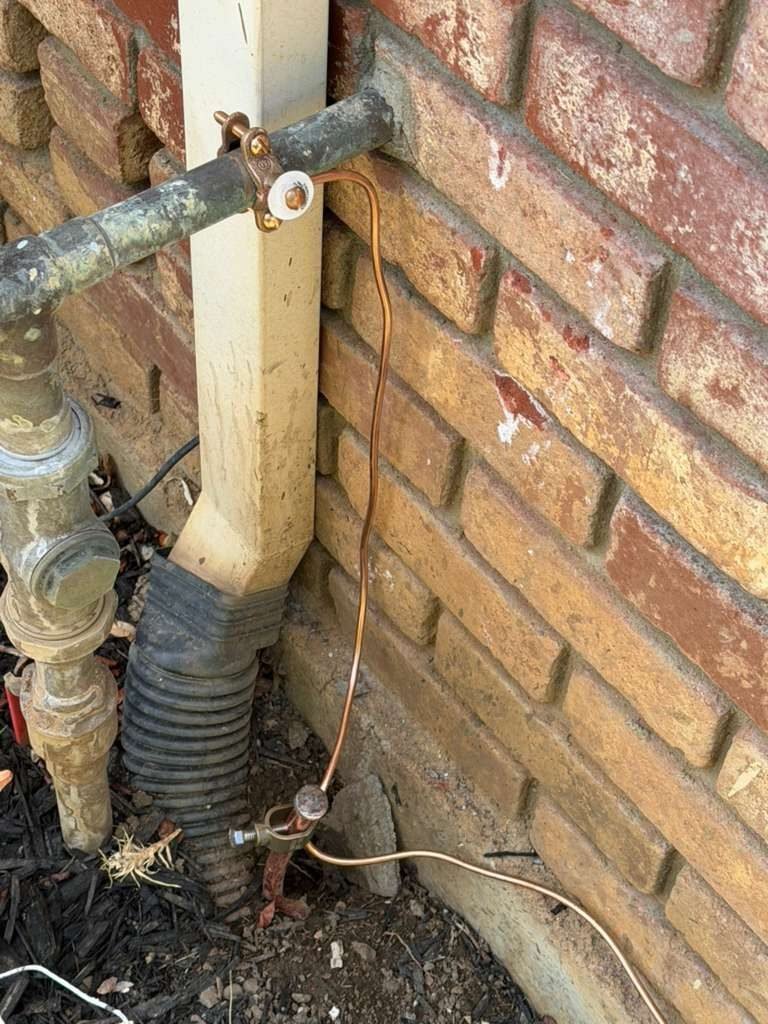
Siding Checklist Before El Niño
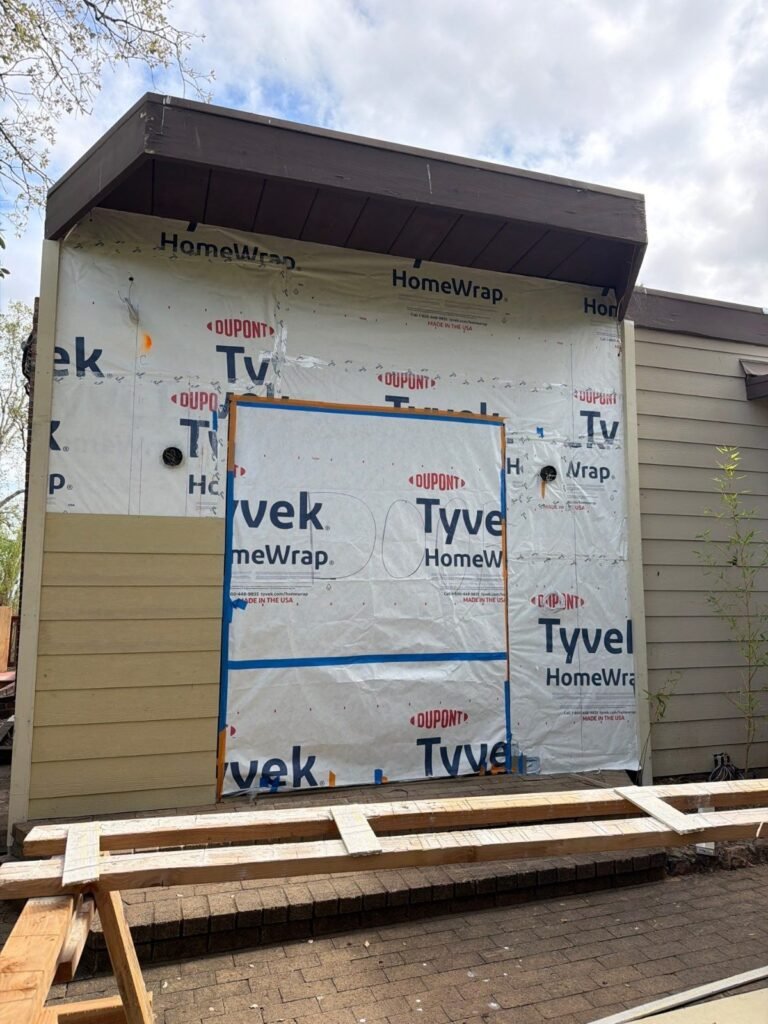
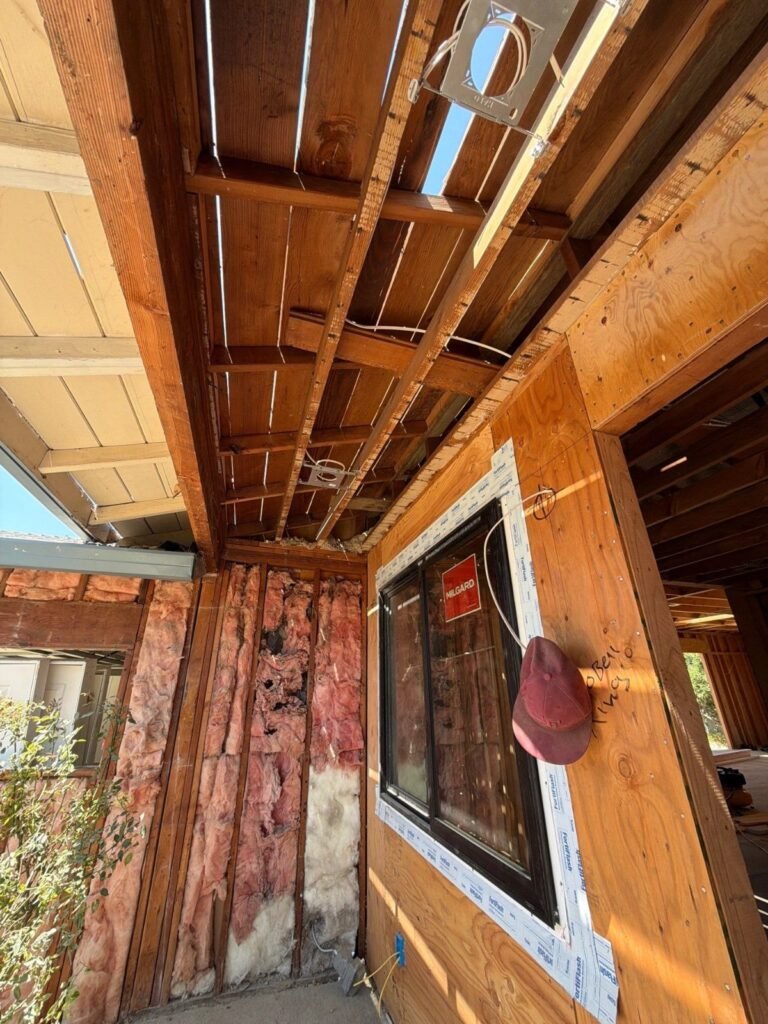
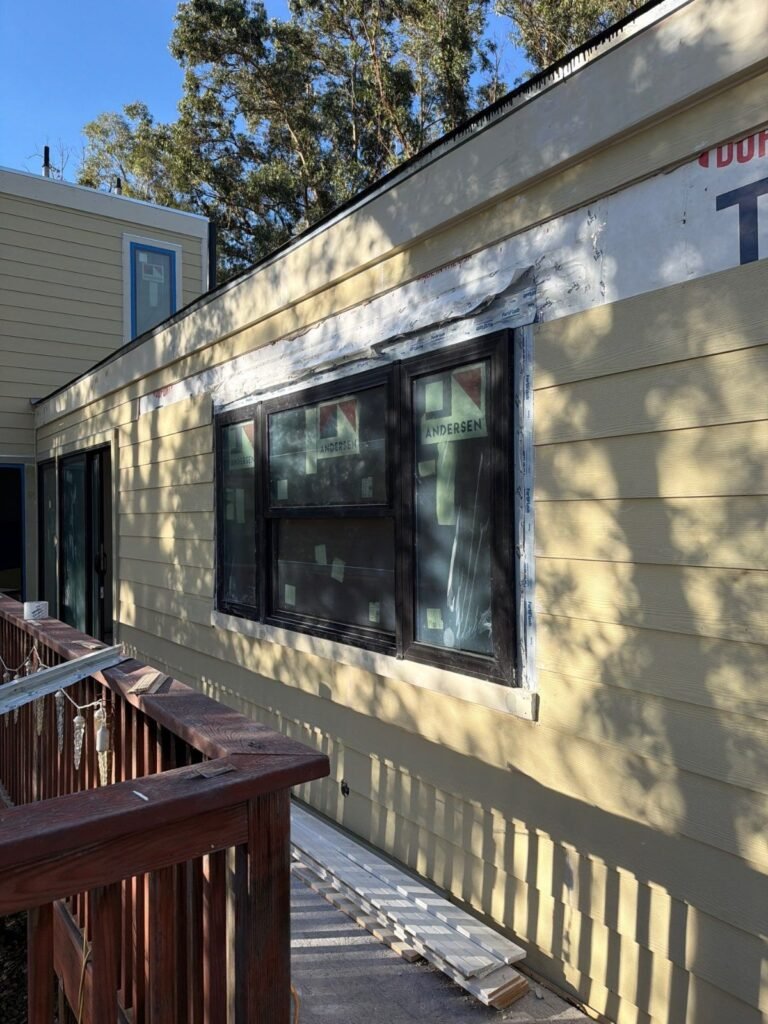
- Caulking and sealant: re-seal gaps around windows, doors, trim and penetrations such as hose bibs, vents and electrical boxes.
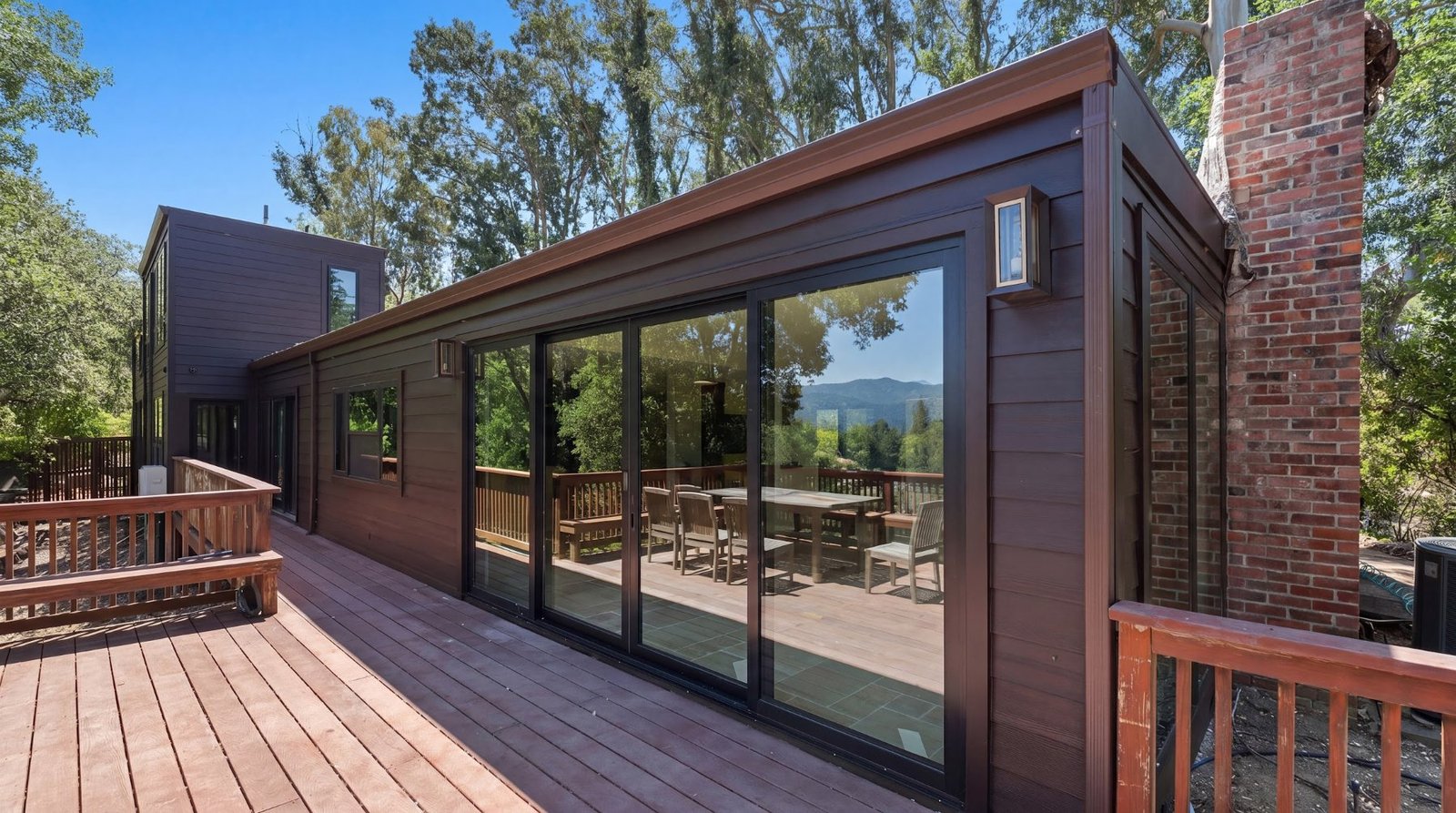
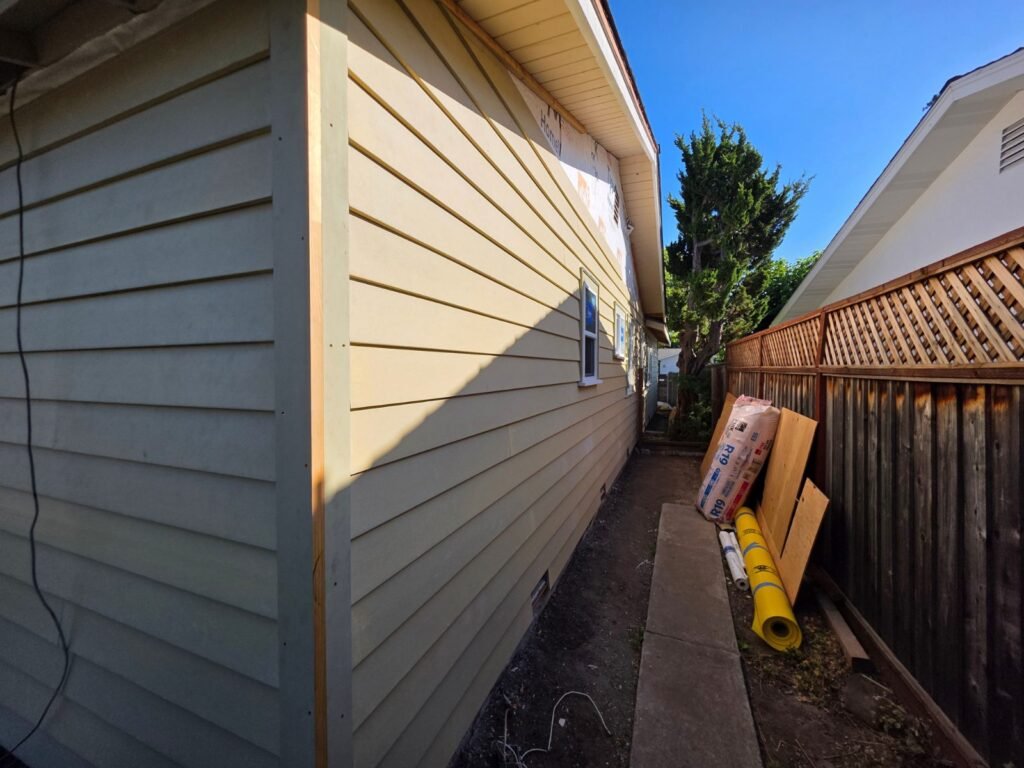
- Paint: peeling or cracked paint on wood siding lets water in. Spot-prime and paint bare wood before the rain starts.
- Dry rot: press a screwdriver into the lowest courses of siding, the boards under windows and the trim near the ground. Soft wood needs to be replaced, not painted over.
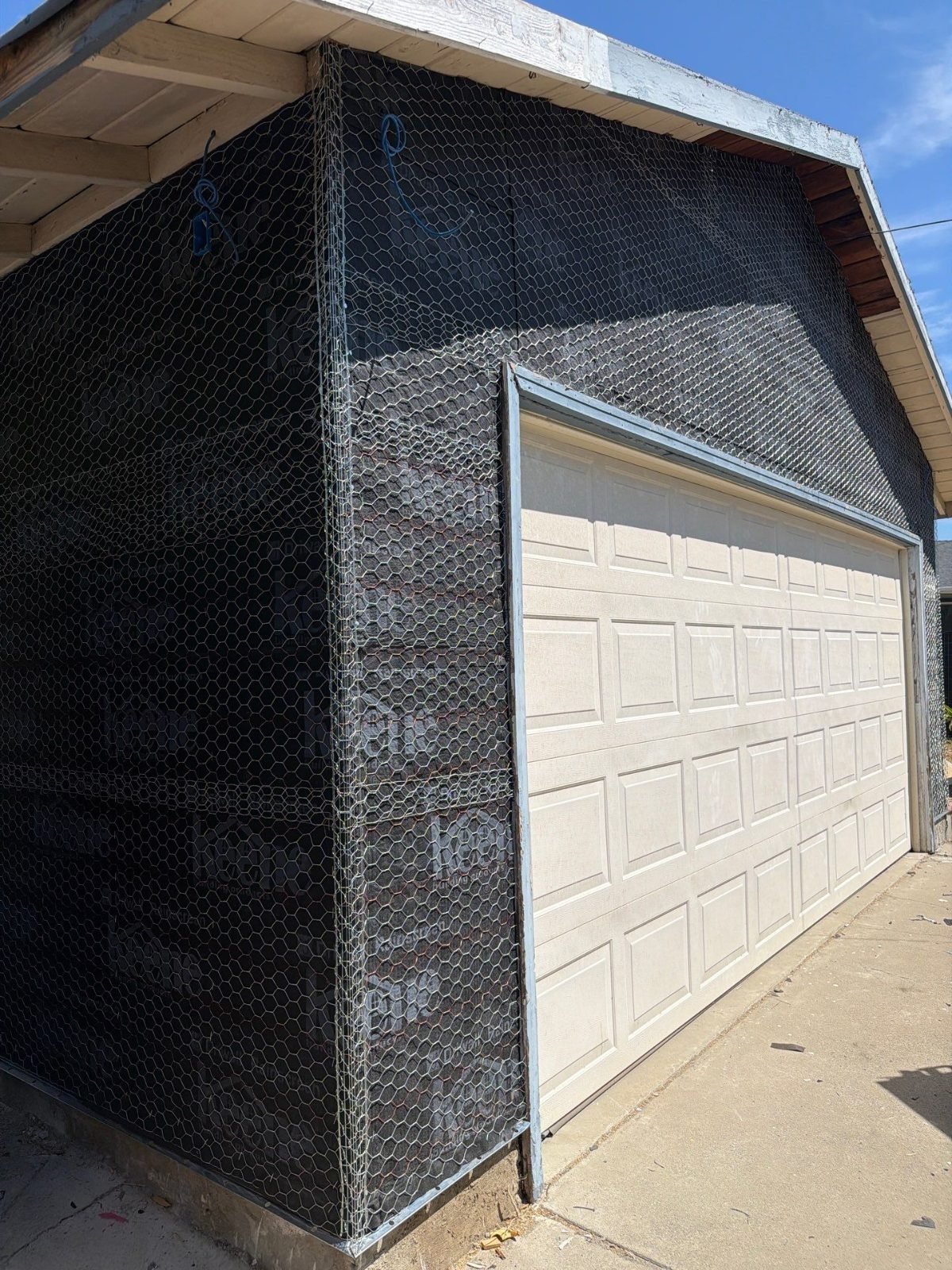
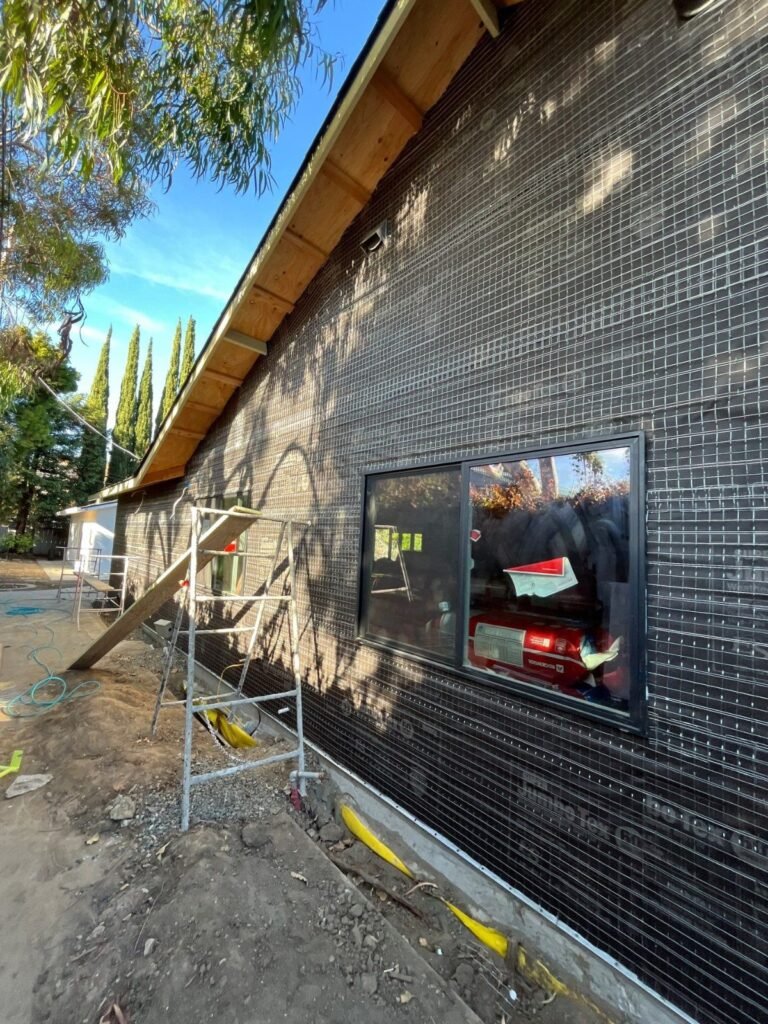
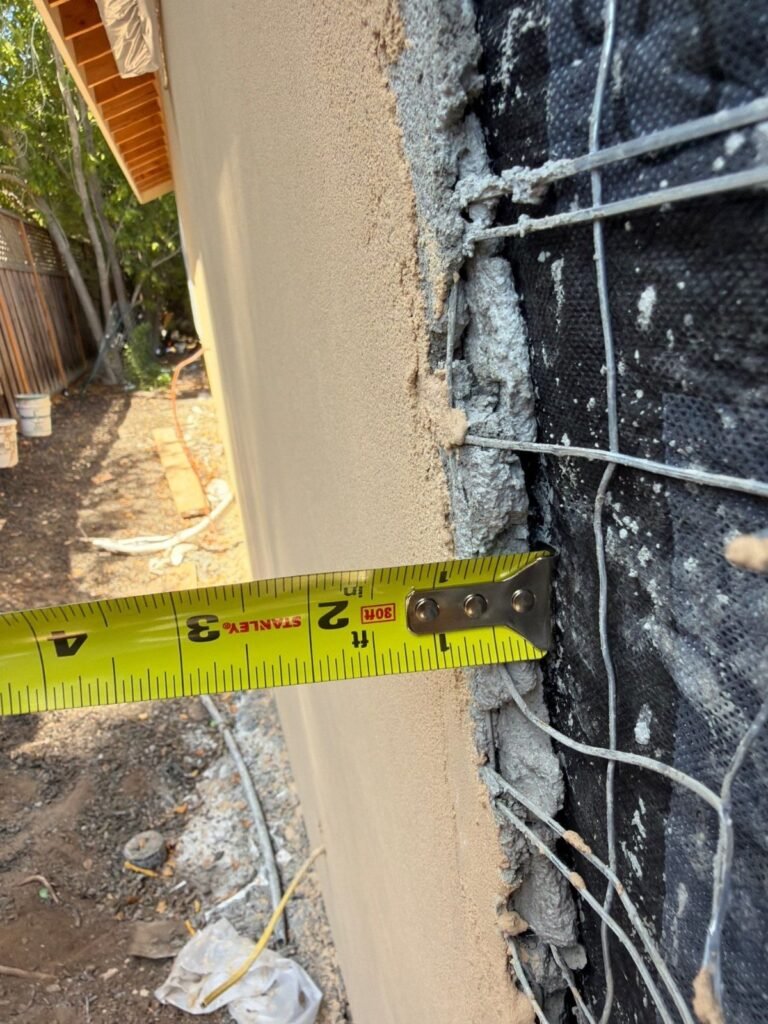
- Stucco: look for cracks wider than a hairline and make sure the weep screed at the bottom of the wall is not buried in soil or mulch, so water can drain out.
- Kickout flashing: where a lower roof meets a wall, a small kickout flashing should send water into the gutter. Without it, water runs behind the siding.
- Clearance from the ground: keep soil, mulch and planters below the bottom of the siding so it is not wicking water all winter.
Drainage Around the House
A sound roof does not help if the water pools against the foundation. Make sure the soil slopes away from the house, area drains are clear, and downspouts discharge into a drain or splash block, not against the wall. On hillside lots, check retaining walls and the drains behind them.
What to Do If a Leak Starts During a Storm
- Do not go on the roof while it is wet or windy.
- Move belongings, contain the water with buckets and towels, and turn off power to any wet light fixtures.
- Take photos and video of the damage for your insurance company.
- Call a licensed contractor to tarp and repair the roof once it is safe.
When to Call a Contractor
Call a professional if you find soft or rotted wood, flashing that has pulled away, stains on the ceiling or in the attic, or a roof near the end of its life. Fixing these before the storms is usually a small repair. After a season of rain, the same problem can mean replacing sheathing, framing and drywall.
Axiom Renovation (CA Lic. #1105006) is a licensed general contractor based in San Jose. We inspect and repair roofs, flashing and siding, and fix water and dry rot damage across the Bay Area. If you are planning bigger work such as an addition, second story or ADU, the same inspection tells us what to fix first. Use the form below to schedule a free pre-storm consultation.
Schedule a Free Pre-Storm Consultation
Leave your name, phone and email and tell us a little about your home. We will call you to set up a free consultation before the storms arrive.
Frequently Asked Questions
Is El Niño going to bring a wet winter to the Bay Area?
NOAA expects a strong to very strong El Niño through early 2027. El Niño raises the odds of a wetter-than-normal California winter, especially in Southern California, but it does not guarantee one. The 2015-2016 El Niño brought less rain than many expected.
When should I get my roof inspected before El Niño?
As early in the fall as possible, before the first major storm. Repairs to flashing, shingles and siding are easier and safer in dry weather, and contractors book up quickly once storms start.
What are the most common places water gets into a house?
Roof flashing around chimneys, skylights and vents, cracked pipe boots, clogged gutters, gaps around windows and doors, and the spot where a lower roof meets a wall without kickout flashing.
How do I know if my siding has dry rot?
Look for peeling paint, swelling or soft spots, especially on the lowest boards, under windows and near the ground. Wood that a screwdriver sinks into easily usually needs to be replaced.
Should I go on my roof during a storm?
No. A wet roof is dangerous. If you have an active leak, contain the water inside, take photos for your insurance, and call a licensed contractor once it is safe.
Sources: NOAA Climate Prediction Center, ENSO Diagnostic Discussion, October 8, 2026; CBS Los Angeles, August 20, 2026.