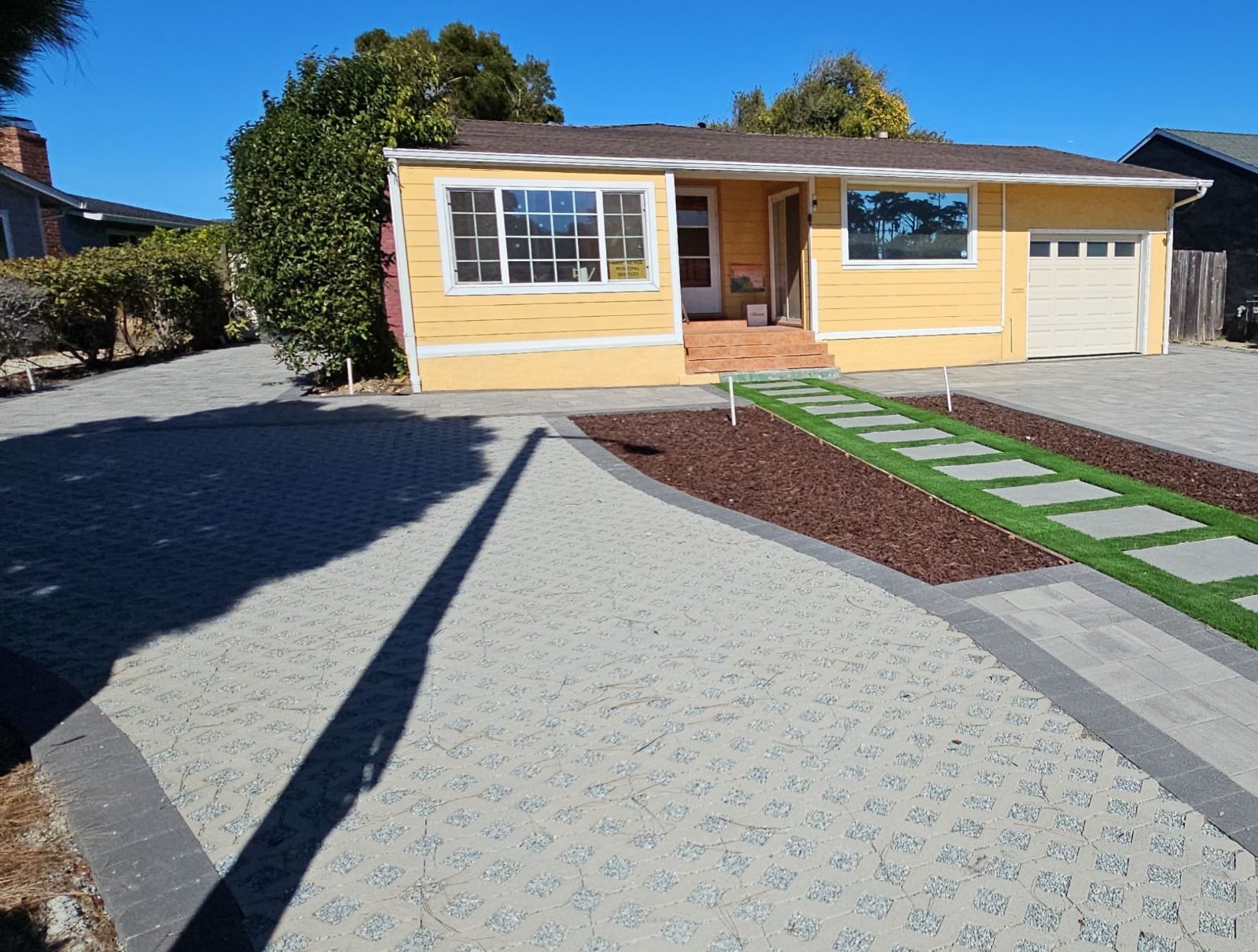
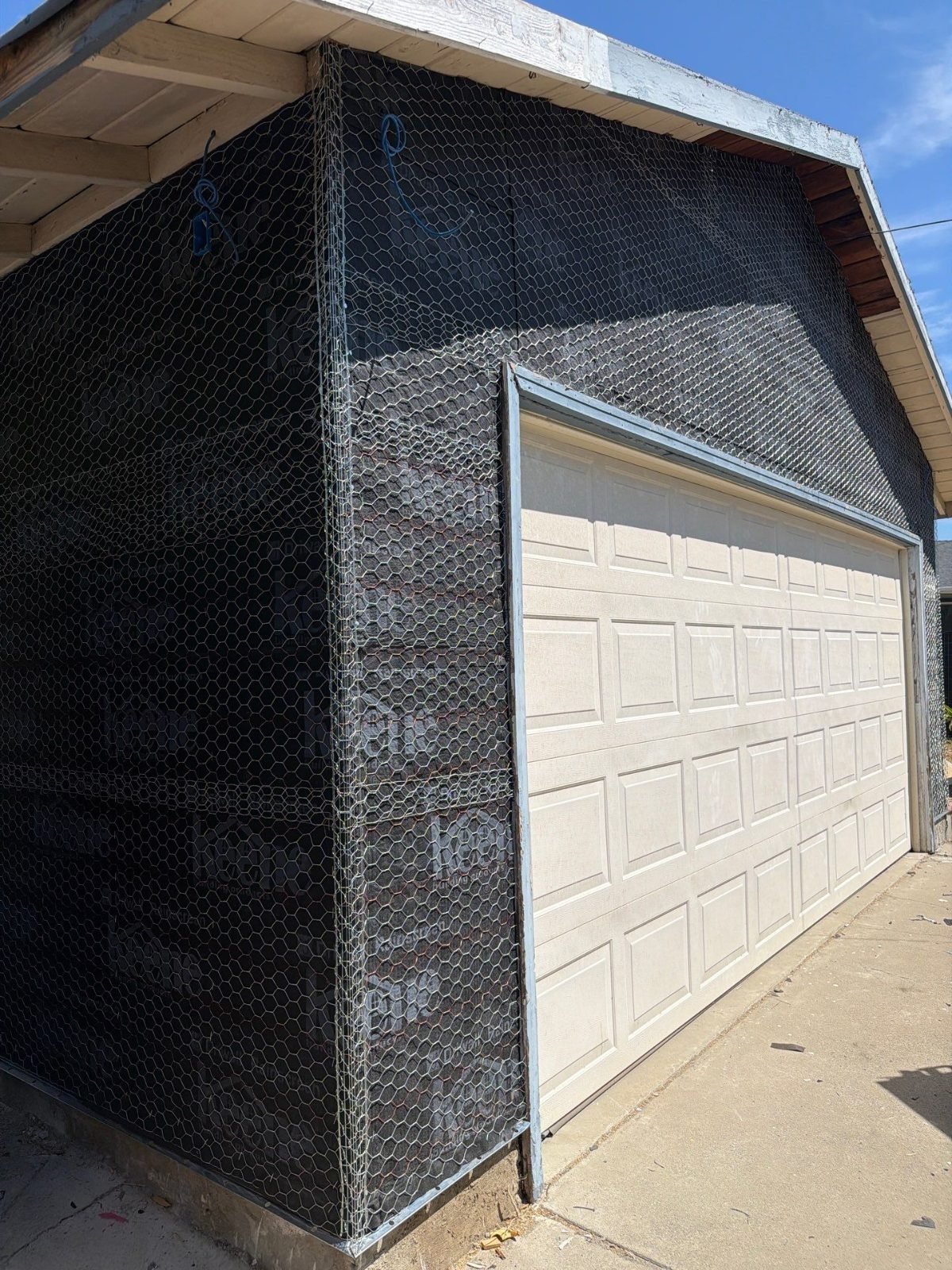
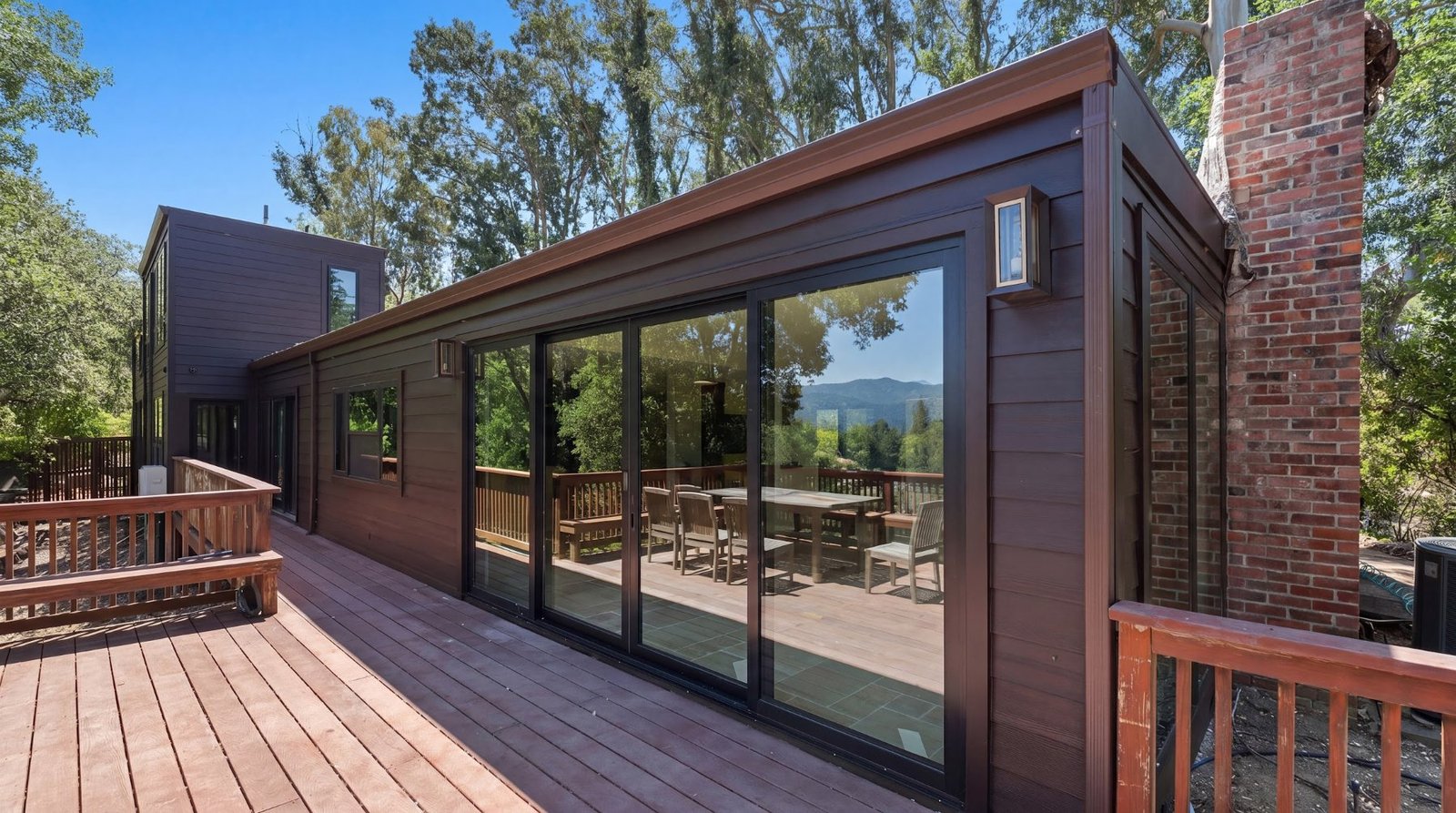
A backyard ADU (accessory dwelling unit) is one of the most common projects we build in San Jose and across the Bay Area. Homeowners add one for aging parents, adult children, a home office or rental income. California law now makes ADUs allowed on almost every single-family lot, but each city still has its own process. Here is how a backyard ADU goes from idea to move-in.
Step 1: Check what your lot allows
Start with your lot size, the location of the house, easements, trees, slopes and where the sewer and electrical lines run. Under California’s ADU law (Government Code §66314 and following), cities must allow a detached ADU of at least 800 sq ft with 4-foot side and rear setbacks, even if other zoning rules would block it. Detached ADUs can be at least 16 feet tall, and taller in some cases, such as near major transit.
Each city sets its own maximum size within state limits. Many Bay Area cities allow up to 1,000 or 1,200 sq ft. Our city guides cover the local numbers, for example San Jose, Cupertino, Sunnyvale and Palo Alto.
Step 2: Choose the type of ADU
- Detached ADU: a separate cottage in the backyard.
- Attached ADU: an addition connected to the main house.
- Garage conversion: turning an existing garage into living space.
- Junior ADU: up to 500 sq ft inside the existing home.
State law also lets many lots have more than one unit, such as an ADU plus a junior ADU.
Step 3: Design and engineering
Design covers the floor plan, windows and privacy for neighbors, kitchen and bathroom layout, and how the unit connects to utilities. The drawings then go to a structural engineer and a Title 24 energy consultant. California requires new ADUs to meet the energy code, and most cities now expect all-electric designs with solar where required.
Step 4: Permits
Once the city considers your application complete, state law requires it to approve or deny an ADU permit within 60 days. Plan checks often come back with comments, so the full process takes longer. Some cities, including San Jose, offer pre-approved ADU plans that can shorten review. Under state law, cities cannot require owner occupancy for an ADU, and ADUs under 750 sq ft are exempt from impact fees. School fees may still apply to larger units.
Step 5: Site work and foundation
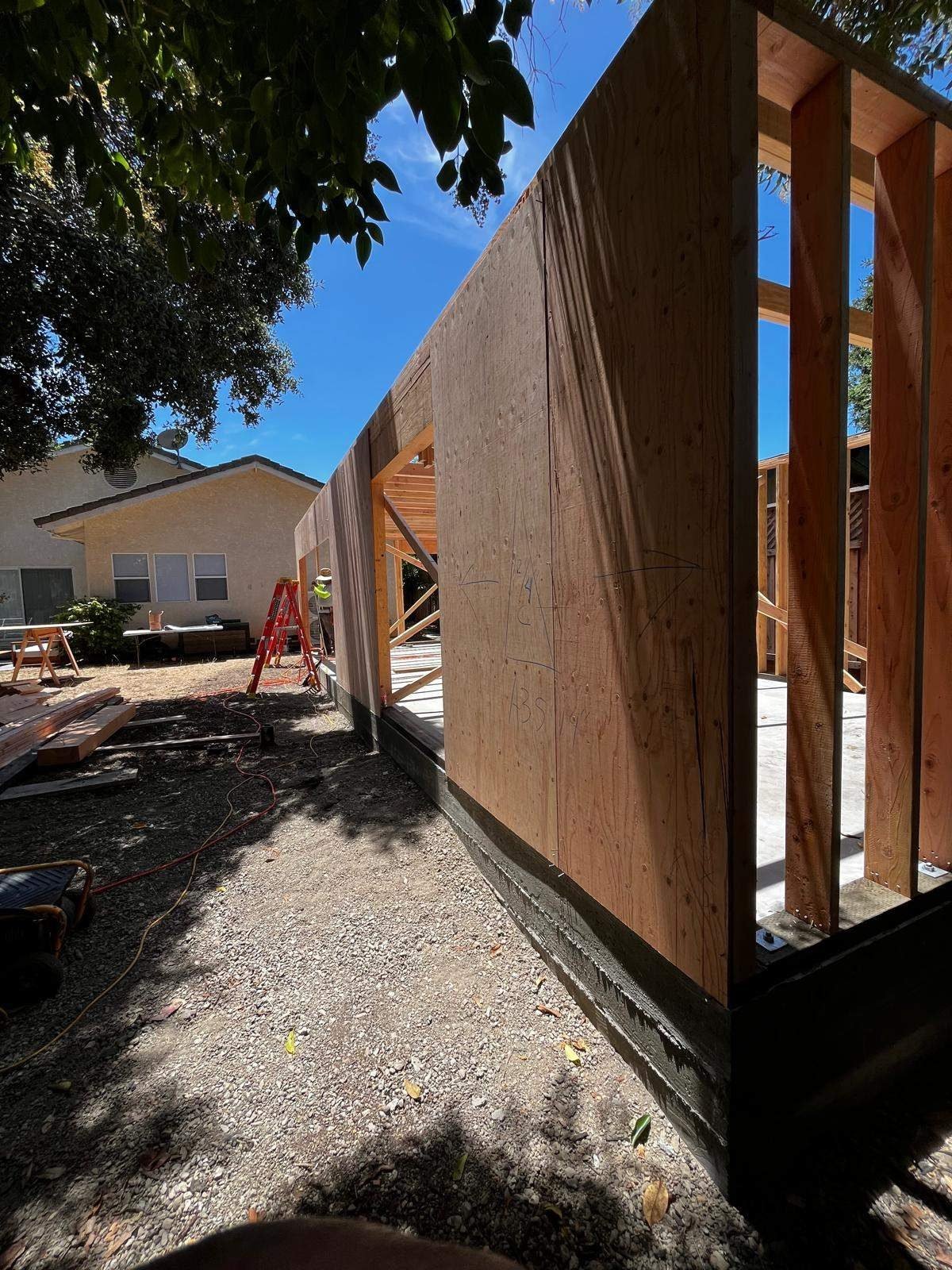
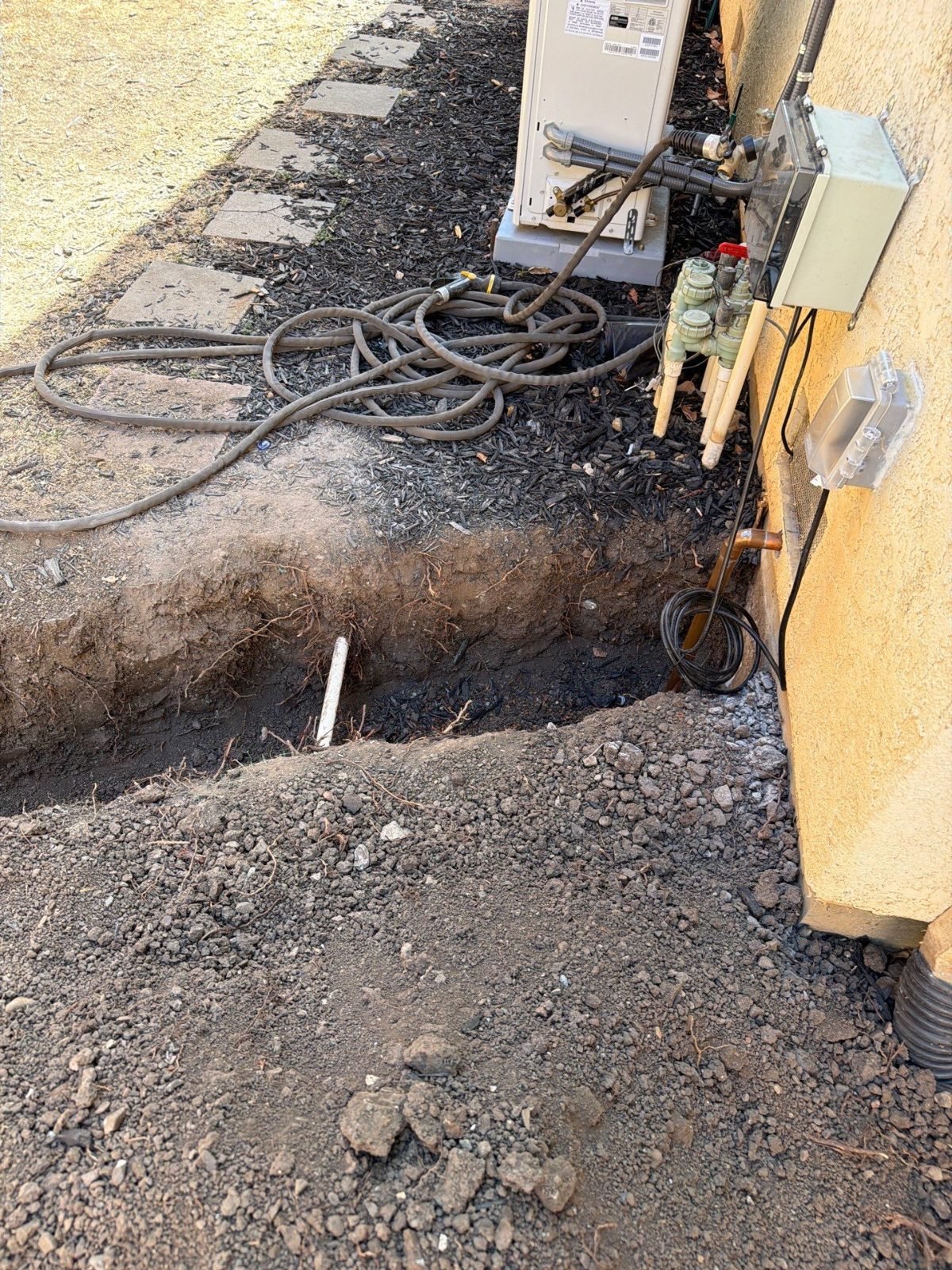
Construction starts with demolition, grading and trenching for sewer, water and electrical lines. Access matters: narrow side yards may mean smaller equipment or hand digging. Then the foundation is formed, inspected and poured.
Step 6: Framing, roofing and rough-ins
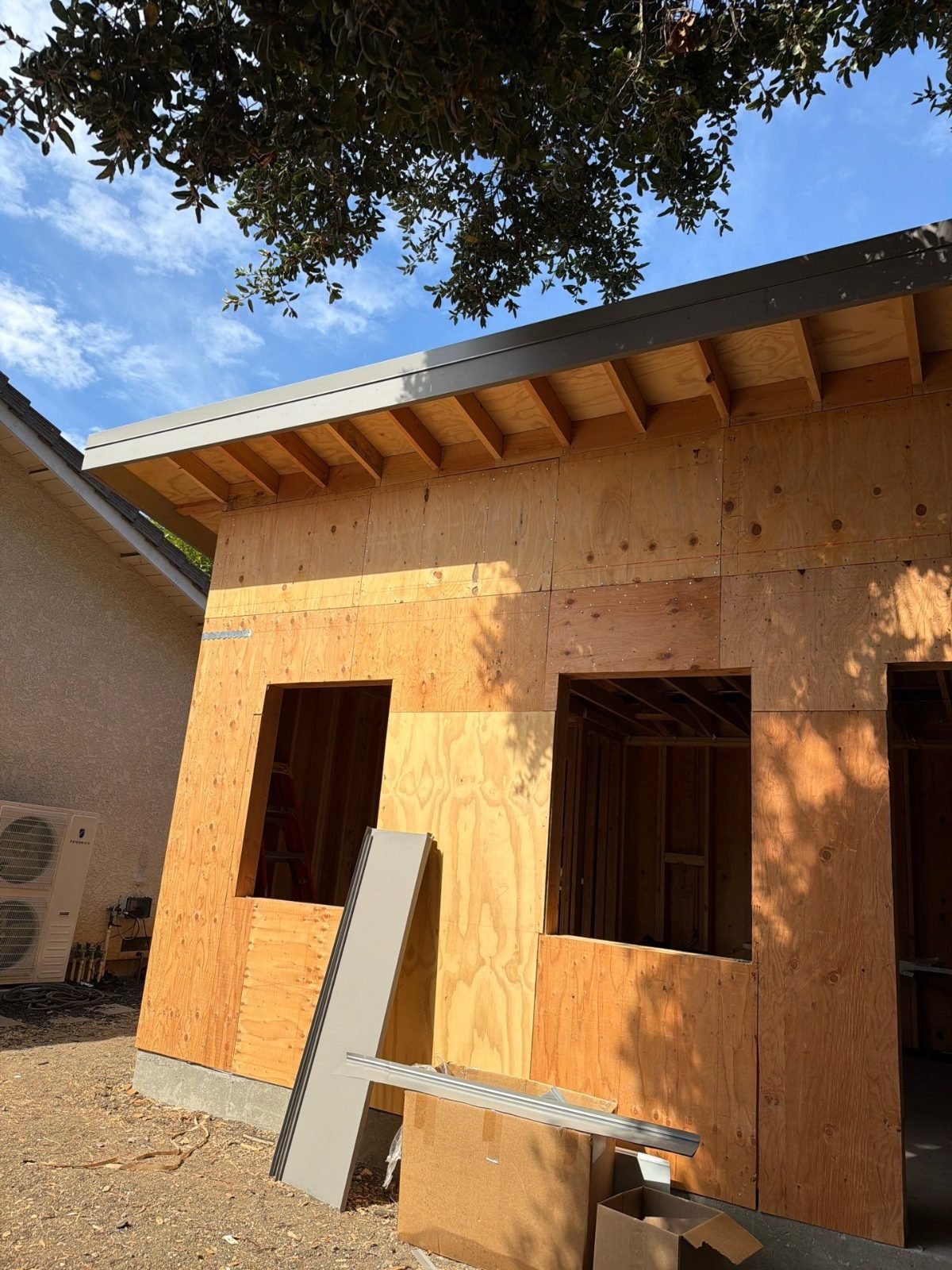
Walls and roof are framed and sheathed, windows go in, and plumbers and electricians run rough-in lines. Each stage is inspected before walls are closed.
Step 7: Insulation, finishes and final inspection
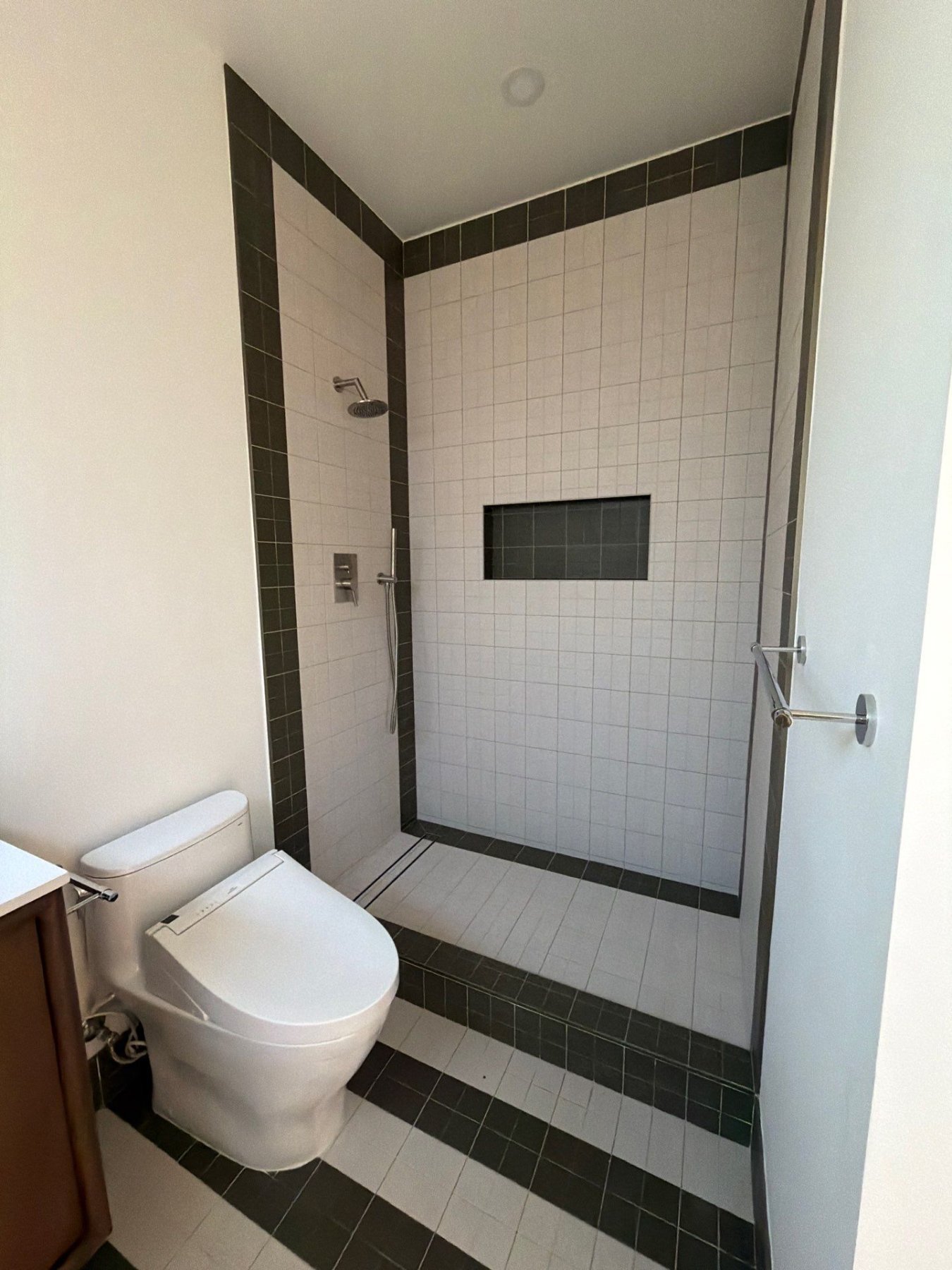
After insulation and drywall come cabinets, tile, flooring, fixtures and paint. The city performs a final inspection, and the unit can then be occupied.
How long does it take?
Design and permits usually take a few months. Construction of a detached ADU commonly takes several months more, depending on size, site conditions and inspection schedules.
Frequently asked questions
Do I need to live on the property to build an ADU?
No. California law no longer allows cities to require owner occupancy for an ADU. A junior ADU is different: the owner must live in either the main house or the junior ADU.
Do I need to add parking?
Often not. Cities cannot require parking for an ADU within half a mile of public transit, and no replacement parking is required when a garage is converted.
Can I sell the ADU separately?
Usually not. A state law lets cities opt in to allowing ADUs to be sold as condominiums, but most cities have not done so.
Read more on our Bay Area ADU builders page or see our Los Altos ADU project.
Talk to a Licensed Bay Area Builder
Tell us about your lot and what you want to build. We will check your city’s rules and schedule a free consultation.