“How much does an ADU cost?” is the first question almost every Bay Area homeowner asks. The honest answer is that two ADUs of the same size can land far apart, because the price is driven less by square footage and more by the lot, the utilities and the city. This guide explains what actually moves the number, so you can tell which of those factors apply to your property before you get an estimate.
1. The type of ADU
The biggest decision is what kind of unit you build:
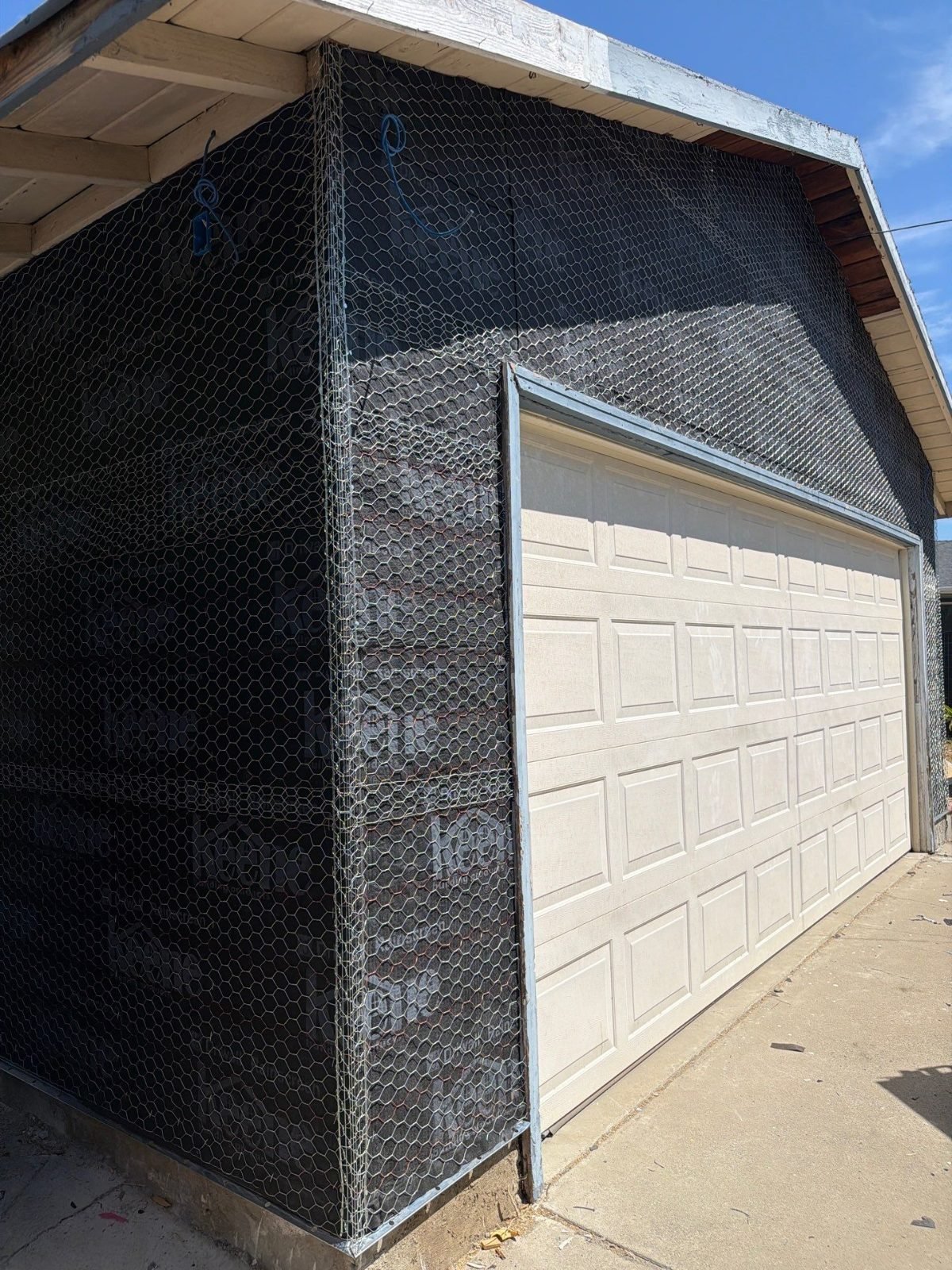
- Garage conversion: usually the most efficient path, because the walls, roof and slab already exist. The work goes into insulation, windows, plumbing, electrical and making the space meet the code for a dwelling. See our garage conversion requirements guide.
- Junior ADU (up to 500 sq ft): created inside the main house, often from an existing bedroom or attached garage. Less structural work, but the owner must live on the property. More on junior ADUs.
- Attached ADU: an addition connected to the house. It shares a wall and often utilities, but it needs a foundation, framing and roof tie-ins.
- Detached ADU: a new standalone building in the backyard. It has the most new construction: foundation, framing, roof, and its own utility runs.
2. Size and layout
Larger units cost more in total, but cost per square foot usually goes down as size goes up, because the most expensive parts of a home are the kitchen and bathrooms. A studio and a two-bedroom unit both need a kitchen and at least one bathroom. Every extra bathroom adds a lot more than extra living space does.
3. Site work and access
What happens before the walls go up is often where budgets change:
- Slope and soil: a flat lot with good soil needs a simple foundation. Hillside lots, expansive clay and retaining walls add engineering and concrete.
- Access: if a mini-excavator and a concrete truck can reach the backyard, the job moves faster. Narrow side yards mean more hand work.
- Trees and drainage: protected trees, roots and drainage paths can change where the ADU can sit and how the foundation is designed.
4. Utilities: sewer, water, electrical and gas
Utility connections are the most underestimated item on most ADU projects:
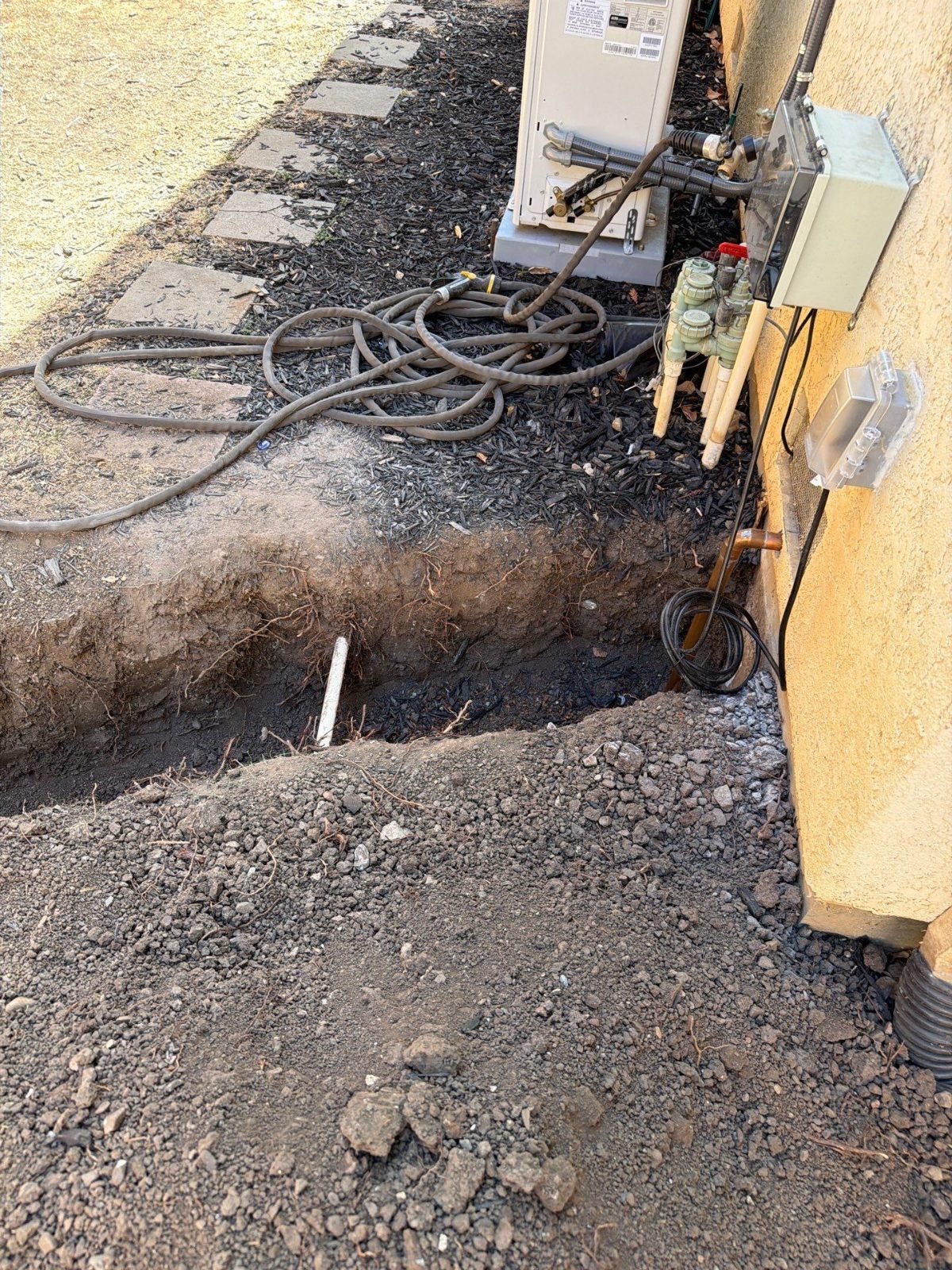
- Sewer: the distance and slope from the ADU to the main sewer line decide whether gravity works or a pump is needed. Lots on septic need an evaluation of the existing system.
- Electrical: many older Bay Area homes have 100A service. Adding an ADU with an electric kitchen, heat pump and EV charger often means a service upgrade, which involves PG&E scheduling. We wrote about one of these in a Los Altos ADU electrical service upgrade.
- Water and fire: water line size, and in some areas fire sprinklers or fire department access, can add scope.
5. City fees and permit requirements
California has made ADUs easier to permit, and some of that shows up in the cost:
- Impact fees: cities cannot charge impact fees for ADUs under 750 sq ft. Larger ADUs can be charged fees proportional to the size of the main home.
- School fees: school districts can charge fees on ADUs over 500 sq ft.
- Plan review: cities must act on a complete ADU application within 60 days, but corrections, separate utility approvals and design review in some neighborhoods can add time.
- Two detached ADUs: in many cases you can now build two detached ADUs on a single-family lot. Building both at once shares mobilization and utility trenching. See two detached ADUs on one lot.
6. Design, engineering and Title 24
Every ADU needs plans, structural engineering and California Title 24 energy calculations. Prefab or standard plans can save design time; a custom design that matches the main house takes longer but often adds more value to the property. Title 24 also drives choices like insulation, windows, heat pumps and solar.
7. Finishes
Cabinets, countertops, flooring, tile and fixtures are where the same floor plan can vary the most. A rental unit built to last with durable mid-range finishes and a family ADU with custom cabinetry are very different projects on paper, even if they look alike from the street.
How to get a reliable number for your lot
Online cost averages can’t see your sewer line, your electrical panel or your city’s rules. The fastest way to a real number is a site visit: we look at access, utilities, slope and what your city allows, then give you a written estimate for your specific project.
Get a free ADU estimate — Axiom Renovation is a licensed general contractor (CA Lic. #1105006) building ADUs, additions and new homes across the Bay Area.
Frequently asked questions
Is a garage conversion cheaper than a detached ADU?
Usually, because the structure already exists. The savings depend on the condition of the garage slab, walls and roof, and on how far the utilities have to run.
Do I have to pay impact fees on an ADU?
Not if the ADU is under 750 sq ft. Larger ADUs can be charged impact fees proportional to the size of the main house. School district fees can apply to ADUs over 500 sq ft.
Will I need to upgrade my electrical panel?
Often, especially on homes with 100A service or when the ADU is all-electric. An electrician or contractor can do a load calculation to tell you before you design.
What’s the best way to compare ADU quotes?
Make sure every quote covers the same scope: design and engineering, permits and fees, site work, utility connections, and finishes. Many low quotes leave out utilities and site work.
Related reading: What is an ADU? · ADU vs. home addition · How to build an ADU in your backyard · ADU builder in San Jose